
Key Considerations When Managing Posted Workers in Europe
Managing posted workers in Europe means navigating overlapping legal frameworks, social security rules, and local labor law across member states.
Nestlers Group Editorial Team
Immigration Advisory Team
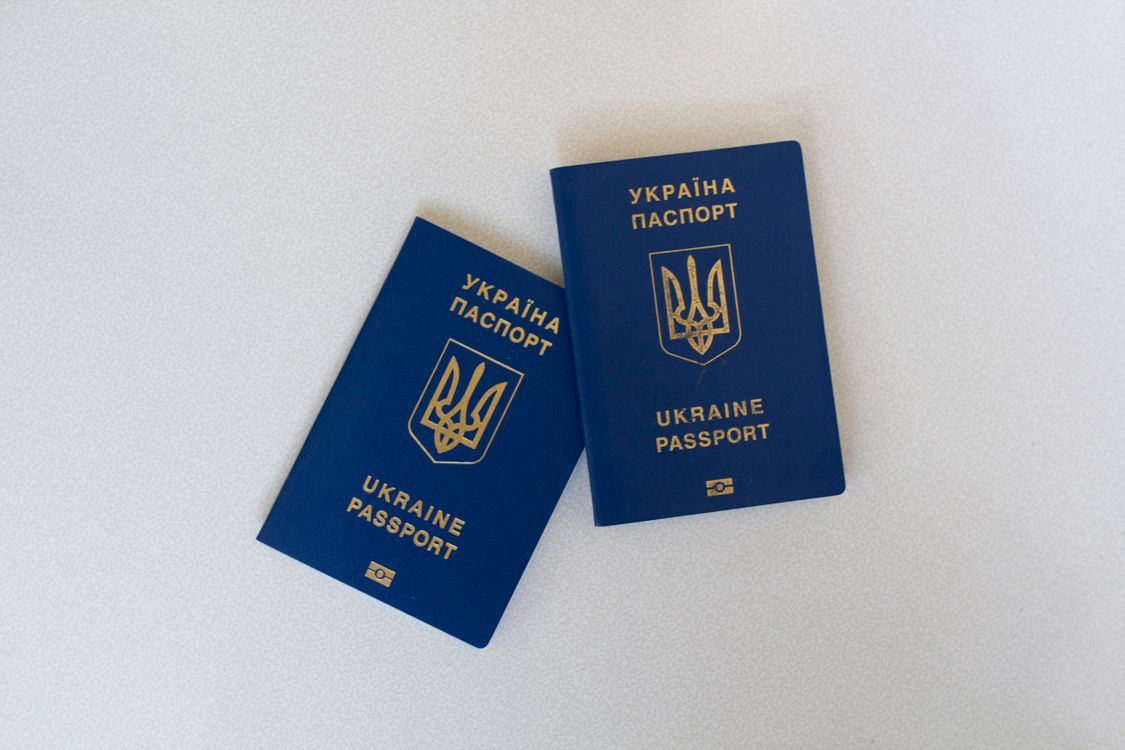
As organizations expand their operations across borders, managing posted workers in Europe becomes critical to ensuring compliance, operational efficiency, and employee well-being. The complexity of navigating different legal frameworks, labor laws, and administrative procedures can be significant. Companies must not only comply with the Posting of Workers Directive but also address a range of other considerations to avoid costly penalties and ensure the smooth deployment of their workforce.
Understanding the legal framework
The Posting of Workers Directive (Directive 96/71/EC) is the cornerstone of the legal framework governing the posting of workers within the EU. It ensures that workers posted to another member state are granted the same basic working conditions as local employees, including:
- Minimum wage: posted workers must receive at least the minimum wage applicable in the host country
- Working hours: compliance with local regulations concerning maximum working hours, rest periods, and overtime is mandatory
- Health and safety: employers must ensure posted workers receive the same level of protection as domestic workers
Alongside the Posting of Workers Directive, companies must also be aware of the Enforcement Directive (2014/67/EU), which strengthens cooperation between member states and improves the transparency of information available to companies and workers alike.
Compliance with social security regulations
Social security is a crucial aspect of managing posted workers, ensuring that employees retain access to essential services like healthcare and pensions. Under Regulation (EC) No 883/2004, posted workers typically remain covered by the social security system of their home country, provided the posting does not exceed 24 months. Employers must obtain an A1 certificate to confirm this arrangement.
Failing to secure proper documentation, or extending postings beyond the permissible duration without transferring the worker to the host country's social security system, can result in significant fines and legal complications. Companies must also stay alert to changes in national regulations that may affect their obligations.
Navigating local labor laws
Understanding and complying with the local labor laws of the host country is essential. While the Posting of Workers Directive sets a baseline, individual member states apply their own additional requirements, which can include:
- Collective bargaining agreements that set higher standards than national law in sectors such as construction and transportation
- Registration requirements, with some member states requiring companies to register posted workers with local authorities before the posting begins
- Tax obligations, including potential income tax liability in the host country once a posting exceeds a certain threshold
Failure to comply with these local requirements can lead to administrative penalties, invalidated postings, and reputational damage.
Managing worker well-being and integration
The well-being of posted workers is a vital concern, as they face the challenges of working in an unfamiliar environment. Employers should ensure posted workers are adequately supported throughout their posting, including:
- Accommodation and living conditions that meet local standards and ensure the worker's comfort and safety
- Language and cultural integration support, such as language training and cultural orientation, to help workers adapt and reduce stress
- Support services, including access to legal advice, healthcare, and counseling, to address issues that arise during the posting
Effective management of these factors improves employee satisfaction and enhances the overall success of the posting.
The role of technology in managing posted workers
Technology plays an increasingly important role in managing posted workers, particularly in ensuring compliance and coordinating with the vendors and partners involved in the posting process. Platforms such as xpath.global offer tools designed to simplify and streamline this work, including case management and a marketplace of tax, immigration, EOR, relocation, and moving services spanning many countries, delivered by a network of local expert partners. Centralizing compliance-related documentation and workflows in this way reduces the risk of errors and eases the administrative burden on HR teams, while also making it easier to coordinate with relocation services, legal advisors, and tax consultants on a single platform.
Mitigating risks and ensuring fair treatment
Ensuring posted workers are treated fairly, and mitigating risk along the way, is essential for maintaining a positive reputation and avoiding legal repercussions. Companies should implement robust policies and procedures addressing:
- Equal treatment, ensuring posted workers receive the same benefits and protections as local workers, both as a legal requirement and a matter of good practice
- Dispute resolution processes that are clear and accessible, to resolve issues before they escalate
- Continuous monitoring, through regular audits and reviews of posted workers' conditions, to catch problems early
Managing posted workers in Europe requires a solid grasp of the legal, social, and logistical challenges involved. By addressing these areas systematically and using the right tools to manage compliance, companies can support worker well-being while building a strong foundation for operating across the European market.
Sources: European Commission, EU Posting of Workers Directive
Talk to Nestlers Group
Planning to hire foreign workers in Romania?
We'll map the right work-authorization route, document checklist and realistic timeline for your hires — typically within 24 hours.
Talk to an advisorContinue reading

The Importance of the A1 Form for International Workers
The A1 Form lets posted workers stay covered by their home country's social insurance system while working temporarily in another EU, EEA, or Swiss state.

The Legal Obligations of Employers for Delegations and Secondments in the EU
Delegations, domestic secondments, and transnational secondments each carry distinct legal obligations for employers operating across the EU.

Important Directive on Business Travel in Europe
The EU's Directive on Business Travellers introduces new compliance obligations for companies sending employees to work across member states.