
Becoming a Digital Nomad in Romania: The Legislation Explained
Romania's digital nomad visa legislation is straightforward, offering remote workers a legal path to live in the country along with several tax benefits.
Nestlers Group Editorial Team
Global Mobility Advisory Team
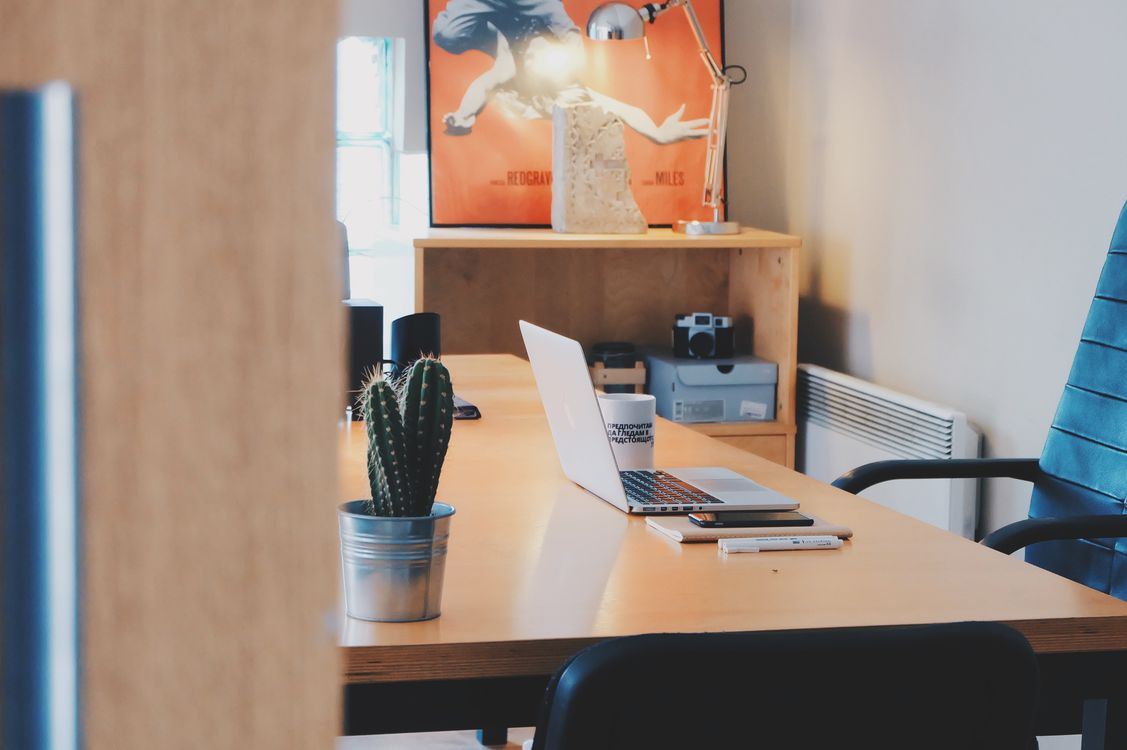
The rise of remote work has driven growing demand for a lifestyle that combines flexible employment with the freedom to travel, giving rise to the digital nomad. Digital nomads can be freelancers, independent contractors, or employees who work remotely while traveling, relying on nothing more than a laptop, tablet, or smartphone and a reliable internet connection.
Common digital nomad careers
The rise of remote work has expanded the range of careers suited to this lifestyle. Common examples include:
- Online marketer, SEO specialist, social media, or community manager
- Graphic designer
- IT and web developer
- Writer
- Vlogger, blogger, or podcast host
- Online teacher
- Journalist
Digital nomad status in Romania
Digital nomads can obtain a special visa allowing for a longer stay than a traditional tourist visa, while continuing to work independently and remotely. Under the law defining digital nomad status, an applicant must not be present in Romania for more than 183 days, whether in one stretch or several periods, during any consecutive 12-month period ending in the relevant calendar year.
Romania is considered one of Europe's strongest destinations for digital nomads. The country has a large and diverse economy, with strong IT, automotive, and manufacturing industries, alongside a strategic location that provides access to major European markets. A well-educated workforce and ongoing government reforms further support its appeal.
Why Romania appeals to digital nomads
Several factors make Romania a practical base for remote work:
- Strong internet connectivity, with an average broadband speed of around 170 Mbps and mobile internet speeds around 41 Mbps
- A diverse landscape, including mountains, forests, lakes, rivers, and beaches, much of it accessible without traveling far from major cities
- Rich architecture and cultural traditions across the country
- A growing number of coworking spaces in major cities
- Widespread use of English, alongside other foreign languages
Tax and social security advantages
Digital nomads who qualify for the visa benefit from several exemptions:
- Exemption from Romanian income tax
- Exemption from social security contributions
- Exemption from health insurance contributions
Documents required for the visa
Applicants generally need to provide:
- Proof of employment
- Identifying details of the employing company
- A letter of intent
- Proof of good standing with tax obligations
- Proof of a valid travel ticket
- Proof of valid health insurance
- Proof of earnings
- Proof of accommodation
- Proof of a clean criminal record
Why this matters
Romania's combination of strategic location, cultural richness, diverse landscape, and comparatively simple legislative requirements makes it a strong option for professionals considering a digital nomad lifestyle in Europe.
Sources: Romanian digital nomad visa legislation
Talk to Nestlers Group
Planning to hire foreign workers in Romania?
We'll map the right work-authorization route, document checklist and realistic timeline for your hires — typically within 24 hours.
Talk to an advisorContinue reading

Applying for a Long-Term Visa in Romania: What You Should Know
Applying for a long-term visa in Romania involves meeting specific eligibility conditions, avoiding common grounds for denial, and submitting several supporting documents.
5 Steps for Transnational Secondment to Romania from a Non-EU Country
Businesses outside the EU planning to second employees to Romania need to understand five key steps, from work permits through tax and social security compliance.
COVID Certificates in Romania: How the Green Pass System Worked
During the COVID-19 pandemic, Romania limited access to certain venues and institutions to holders of a valid COVID certificate, or green pass.