
Romania Seasonal Worker Permits 2026: Agriculture, Construction, Hospitality Guide
A practical breakdown of Romania's seasonal and short-term non-EU worker permit route for agriculture, construction and hospitality employers, and how it differs from the standard D/AM2 long-term work permit.
Nestlers Group Editorial Team
Immigration Advisory Team
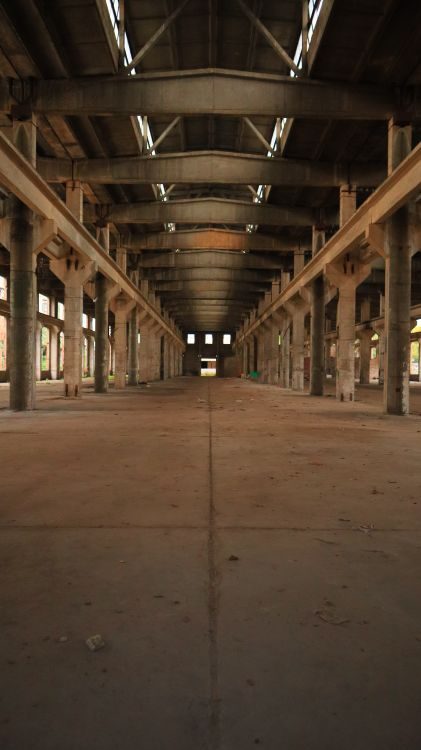
When an apple orchard in Dâmbovița needs forty pickers for six weeks, or a hotel in Brașov needs kitchen staff through the summer, the standard advice for hiring non-EU workers in Romania does not quite fit. Most guidance on Romania's 2026 immigration overhaul describes the D/AM2 permit as if every hire is a long commitment: a company with two years of trading history, fifty employees on the books, and a worker who stays until the contract ends. Agriculture, construction and hospitality employers rarely look like that. Their labour need is real, but it is seasonal, project-based, or tied to a single building phase.
Romania's framework does recognise this difference, but the seasonal route is not a separate visa category with its own rulebook. It sits inside the same D/AM2 channel as permanent hires, drawing on the same national quota and shortage occupations list, with a hard duration ceiling and a different authorisation path most HR teams have never had to navigate. Getting the distinction wrong, by overstaying a seasonal authorisation or assuming a worker can simply be kept on past the summer, creates exposure a standard long-term hire does not. This article sets out how the route works under Government Emergency Ordinance No. 32/2026, where it diverges from a standard D/AM2 permit, and what employers in these sectors need to do differently.
Seasonal Work Sits Inside D/AM2, Not Beside It
GEO 32/2026, published in Official Gazette No. 335 on 27 April 2026, replaced Romania's old employment permit system with two routes: D/AM1 for highly skilled workers, registration-based and outside the national quota, and D/AM2, which covers permanent, seasonal and cross-border workers together. There is no standalone "seasonal visa" category. A seasonal hire and a permanent hire are processed through the same D/AM2 framework, the same WorkinRomania.gov.ro platform, and the same 90,000-worker national quota set for 2026.
What changes is not the category but the conditions attached: how long the worker may stay, who can sponsor the placement, and what the employer takes on around accommodation and pay. Employers who assume "seasonal" means a lighter-touch process are often surprised that eligibility checks are just as rigorous as for a permanent hire.
Eligibility Still Runs Through the Shortage Occupations List
Whether a role can be filled by a non-EU worker at all, seasonal or permanent, depends on whether it appears on Romania's List of Shortage Occupations, approved by ministerial order and revised periodically. This list, not the employer's own assessment of need, determines access to D/AM2.
Construction and hospitality have fared reasonably well so far: trades such as mason, carpenter, electrician, machinery mechanic and welder, plus the cook occupation, have featured on published versions of the list. Agriculture has been a harder case, with labour-intensive field and harvest roles notably absent despite industry pressure for their inclusion. Agriculture employers should check the current list before assuming a role qualifies.
The Duration Limit Is the Real Dividing Line
The clearest practical difference between a seasonal and permanent D/AM2 hire is duration. Romania's seasonal worker framework, built on its transposition of the EU Seasonal Workers Directive, caps a seasonal work authorisation at a maximum of six months within any twelve-month period. That ceiling does not reset by renewing the contract or rotating the worker to a different employer.
This has concrete consequences HR teams need to plan around:
- A seasonal worker cannot be converted into a permanent D/AM2 holder from inside Romania; a change of status requires a fresh application.
- A seasonal worker cannot switch employers mid-authorisation, even within the same sector.
- If the job ends early, the worker has no right to remain in Romania to search for other work.
- Employers must track the six-month clock themselves; there is no automatic extension.
A standard long-term D/AM2 permit, by contrast, is tied to the employment contract and can be renewed while the role and quota allocation remain valid, without the same hard reset.
Two Ways to Sponsor a Seasonal Worker
Direct employer authorisation for D/AM2, seasonal or permanent, requires: no outstanding tax arrears, a minimum of 24 months of continuous economic activity, an average of at least 50 employees over the prior year, a limited share of previously sponsored workers with cancelled or revoked permits, and a financial guarantee of EUR 1,000 per foreign worker hired.
Many seasonal employers in agriculture and hospitality do not meet that profile. This is why the ordinance builds in a second route: authorised placement agencies. These agencies must hold their own ANOFM authorisation, renewable every two years, may only place workers into shortage-list occupations, cannot charge placement fees to workers, and must maintain a financial guarantee starting at EUR 75,000 for up to 250 placements. The employer signs a services contract with the agency plus a tripartite placement agreement covering the employer, the agency and the worker. For construction and hospitality businesses without the scale to self-sponsor, the agency route is often the only realistic path into the quota.
Accommodation, Pay and the Application Timeline
Because seasonal workers are frequently housed by the employer or agency, the ordinance attaches conditions absent from a typical long-term hire. Where accommodation is provided, rent charged to the worker, billed directly or deducted from salary, cannot exceed 25 percent of net salary. Failing to provide promised accommodation, or taking undisclosed deductions against it, is treated as a specific compliance failure. Employers and agencies are also expected to support basic integration, including making Romanian language instruction available during the stay, which matters most in hospitality roles with direct guest contact.
On process, a seasonal placement follows the same application spine as any D/AM2 hire: the employer or agency submits the request through WorkinRomania.gov.ro, the role is checked against the shortage list and the quota, and approval triggers a window, typically around 60 days, for the worker to obtain the visa at a Romanian consulate abroad. On arrival, the worker registers for temporary residence tied to the seasonal authorisation. Employers planning around a harvest window, a construction phase, or a tourist season should build this lead time into recruitment well before work starts, since the six-month cap runs from the date of authorisation, not from the date the employer would prefer the worker to begin.
How Nestlers Group Supports Seasonal and Short-Term Hiring in Romania
Nestlers Group's Immigration Services team helps agriculture, construction and hospitality employers assess which route fits a given hiring need: direct D/AM2 employer authorisation, sponsorship through an authorised placement agency, or a mix across a single harvest or project. That assessment matters most for employers who do not clearly meet the 24-month activity or 50-employee thresholds, where the agency pathway or an Employer of Record arrangement may be the more realistic option.
For employers who sponsor directly, our Payroll and HR Compliance team tracks ANOFM quota usage against the applicable shortage occupations list and handles the contract registration obligations tied to each seasonal or permanent D/AM2 hire, so the six-month clock is monitored rather than left to manual tracking. Our Relocation Services team arranges temporary accommodation and airport collection for incoming seasonal staff, directly relevant given the rent obligations attached to seasonal hiring, and our Global Mobility service manages the process end to end for employers running recurring seasonal intakes year after year.
Sources: Government Emergency Ordinance No. 32/2026, Official Gazette No. 335 (27 April 2026); PwC Romania tax and legal alert on GEO 32/2026 (2026); Leroy Law Romania employment alert on GEO 32/2026 (2026); KPMG Romania Tax Newsflash on the immigration ordinance (28 April 2026); European Commission Migration and Home Affairs, EU Immigration Portal, seasonal worker guidance for Romania; Trenity Consultants guide to hiring foreign workers in Romania under GEO 32/2026 (2026).
Talk to Nestlers Group
Planning to hire foreign workers in Romania?
We'll map the right work-authorization route, document checklist and realistic timeline for your hires — typically within 24 hours.
Talk to an advisorContinue reading

Romania's 2026 Foreign Worker Quota: What Employers Need to Know
Romania cut its 2026 non-EU worker quota to 90,000, tightening the window for employers filing D/AM2 applications under the new GEO 32/2026 framework.

Can a Spouse Work in Romania Without a Separate Work Permit Under GEO 32/2026?
A practical guide for HR and global mobility teams on whether, and how, a spouse or dependent accompanying a non-EU worker in Romania can take up employment under GEO 32/2026.

WorkinRomania D/AM2 Suspension 2026: What the Court Ruling on the Shortage Occupations List Means for Employers
A Bucharest Court of Appeal ruling suspending Romania's shortage occupations list has frozen D/AM2 filings on WorkinRomania, and employers need a plan while the appeal runs.