
Hiring Seasonal Workers in Romania: Agriculture, Construction and the D/AM2 Route in 2026
Romania's agriculture and construction sectors rely heavily on non-EU seasonal labour — GEO 32/2026 changed who can recruit, how, and through which channel.
Nestlers Group Editorial Team
Immigration Advisory Team
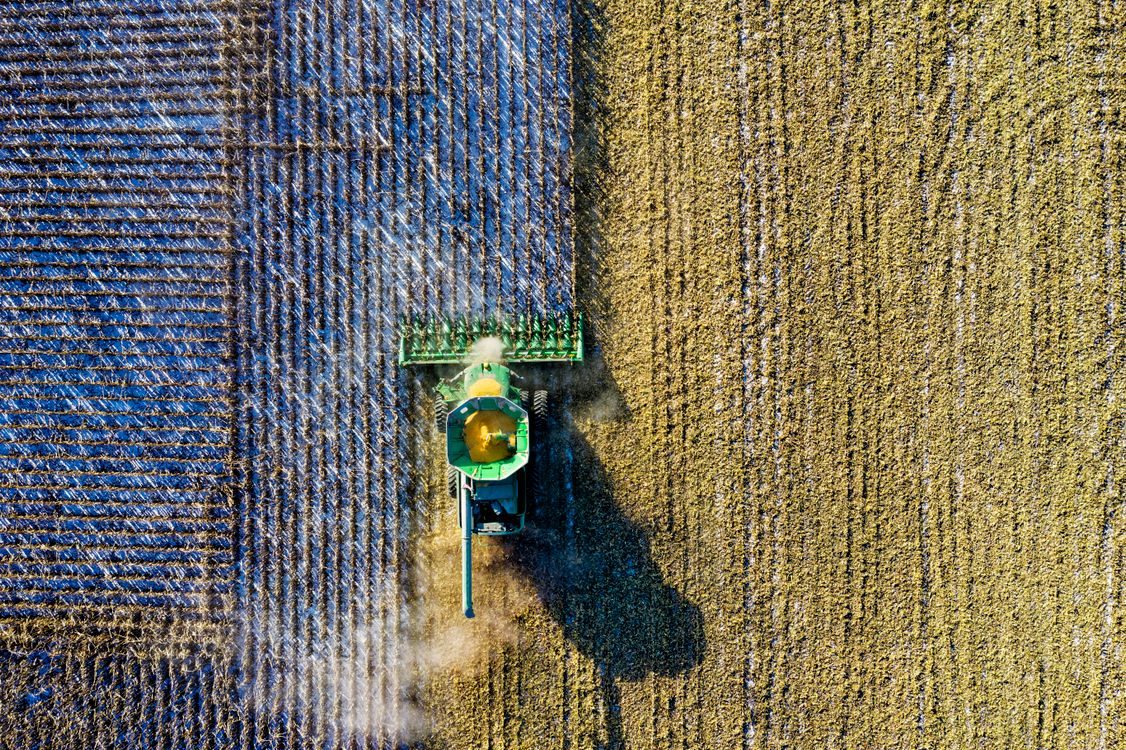
Romania's agriculture and construction sectors are among the heaviest users of non-EU seasonal labour in Central and Eastern Europe. Both sectors have operated with significant workforce shortfalls since the early 2020s, and both appear prominently on the official shortage occupations list that determines which roles can be filled through the D/AM2 work permit route. The 2026 reform introduced by Government Emergency Ordinance 32/2026 changed the structure of seasonal hiring in ways that affect not just the application process but which organisations are legally permitted to recruit at all.
For agricultural employers preparing for the 2027 season, and for construction companies planning project staffing beyond Q1 2027, the time to understand the new framework is now — before the quota window opens and before the platforms settle into their post-reform processing patterns.
The D/AM2 Permit for Seasonal Workers
Under GEO 32/2026, the D/AM2 visa covers three categories of non-EU worker: permanent workers, seasonal workers, and cross-border workers. All three fall under the annual quota. The 2026 quota was 90,000 D/AM2 authorisations in total, shared across all three sub-categories and all sectors.
Seasonal workers hired under D/AM2 receive a time-limited work authorisation tied to the duration of the seasonal contract, which cannot exceed 12 months per year per worker. The permit is sector and employer-specific: a worker authorised to work for a specific agricultural employer in Dolj County cannot be transferred to a different employer or sector without a new authorisation being issued. This restriction creates significant planning pressure for employers who rely on the same workers returning in consecutive seasons, since each return technically requires a new authorisation under the current framework.
The shortage occupations list published under Ministerial Order 1,073/2026 covers 289 occupations. Agricultural roles — including tractor operator, agricultural worker, greenhouse technician, and irrigation specialist — appear on the list, as do construction roles including scaffolder, reinforcement iron worker, general construction labourer, and site foreman. Only occupations on this list are eligible for D/AM2 applications.
Who Can Recruit D/AM2 Seasonal Workers
This is the aspect of the GEO 32/2026 reform that most surprised agricultural and construction employers. Under the previous framework, any employer with a registered vacancy could apply for a work authorisation for a non-EU seasonal worker. Under GEO 32/2026, D/AM2 recruitment is restricted to two types of entity:
- Authorised placement agencies: licensed agencies that have obtained ANOFM authorisation specifically for placing non-EU D/AM2 workers, meeting the criteria of 24 months of economic activity and a EUR 1,000 financial guarantee per worker placed
- Authorised employers: companies that employ D/AM2 workers directly and have obtained the same ANOFM authorisation on their own account
A registered employer — the standard company registration on WorkinRomania.gov.ro that is sufficient for D/AM1 hiring — cannot apply for D/AM2 seasonal workers directly. Agricultural cooperatives, family farms, and small construction contractors that have not obtained authorised employer status are legally unable to recruit non-EU seasonal workers under D/AM2 without going through an authorised placement agency.
The WorkinRomania.gov.ro Timing Problem for Seasonal Sectors
Agriculture has a fixed seasonal calendar. Planting and harvest windows are biologically determined and cannot accommodate administrative delays. This creates a structural tension with Romania's digital immigration platform, which went live on 8 August 2026 — well into the summer agricultural season — and experienced processing backlogs that pushed first permit issuances into October 2026.
For the 2027 season, the practical baseline emerging from the second half of 2026 suggests that D/AM2 applications submitted through WorkinRomania.gov.ro receive initial review within 30 days under the statutory deadline, but that the full chain from application submission to visa issuance at a Romanian consulate takes 60 to 90 days in practice.
This means agricultural employers needing workers on-site by April or May 2027 should have applications submitted through WorkinRomania.gov.ro by January at the latest, and preferably by mid-December 2026 if consulate capacity in source countries is limited.
Document Requirements for Seasonal D/AM2 Applications
The document package for a seasonal D/AM2 application mirrors the full D/AM2 package, with one key difference: the employment contract is a fixed-term seasonal contract rather than an open-ended one, and its duration must correspond to the specific seasonal activity.
Under Order 655/2026, the contract must be in the standard bilingual format, with the worker's language as the second language. Romanian agricultural employers using Ukrainian, Bangladeshi, or Vietnamese seasonal workers must have template contracts available in the appropriate bilingual format.
The employer must also provide documentation of the work site's specific address. For seasonal agricultural work, this means the name and cadastral number of the parcel of land being worked, not simply the company's registered office address — a requirement that REGES-Online enforces for all work registrations.
How Nestlers Group Supports Seasonal Hiring
Nestlers Group's Work Permit and Visa Support team manages D/AM2 seasonal applications for employers in agriculture and construction, working through Nestlers' licensed placement agency network for employers who have not obtained direct authorised employer status. The team prepares the full application package, including the shortage occupation verification, the bilingual contract in the appropriate language pair, and the REGES-Online pre-registration data, and submits through WorkinRomania.gov.ro with enough lead time to absorb platform processing periods. For employers planning volume seasonal hiring in 2027, Nestlers' Immigration Advisory team can advise on whether obtaining authorised employer status directly makes financial and operational sense for the employer's specific workforce model.
Sources: Government Emergency Ordinance 32/2026 (Official Gazette No. 335, 27 April 2026); Ministerial Order 1,073/2026 on the shortage occupations list (289 occupations, published May 2026); European Commission EU Immigration Portal — seasonal worker Romania (home-affairs.ec.europa.eu, 2026); ANOFM guidance on authorised employer and placement agency criteria; Order 655/2026 on bilingual employment contract templates.
Talk to Nestlers Group
Planning to hire foreign workers in Romania?
We'll map the right work-authorization route, document checklist and realistic timeline for your hires — typically within 24 hours.
Talk to an advisorContinue reading

Planning for Romania's 2027 Foreign Worker Quota: What Employers Must Do Before the Window Opens
Romania's 2027 D/AM2 quota has not yet been announced, but employers who have not completed their structural preparations before the announcement will not be ready to access it in Q1 2027.

Health Insurance for Non-EU Workers in Romania: What Employers Must Set Up
Health insurance for non-EU workers in Romania operates in two distinct phases — private cover before the residence permit, then CNAS public enrolment — and employers must manage both correctly.

Document Authentication for Non-EU Workers: Apostilles, Legalisation and Translations for Romania
Errors in document authentication are among the most common reasons work authorisation applications are rejected in Romania — this guide explains what each document needs and in what order.