
10 Things to Do in Cluj-Napoca After Work
Cluj-Napoca offers newly relocated employees a wide range of squares, parks, medieval towers, and cultural sites worth exploring after the workday.
Nestlers Group Editorial Team
Global Mobility Advisory Team
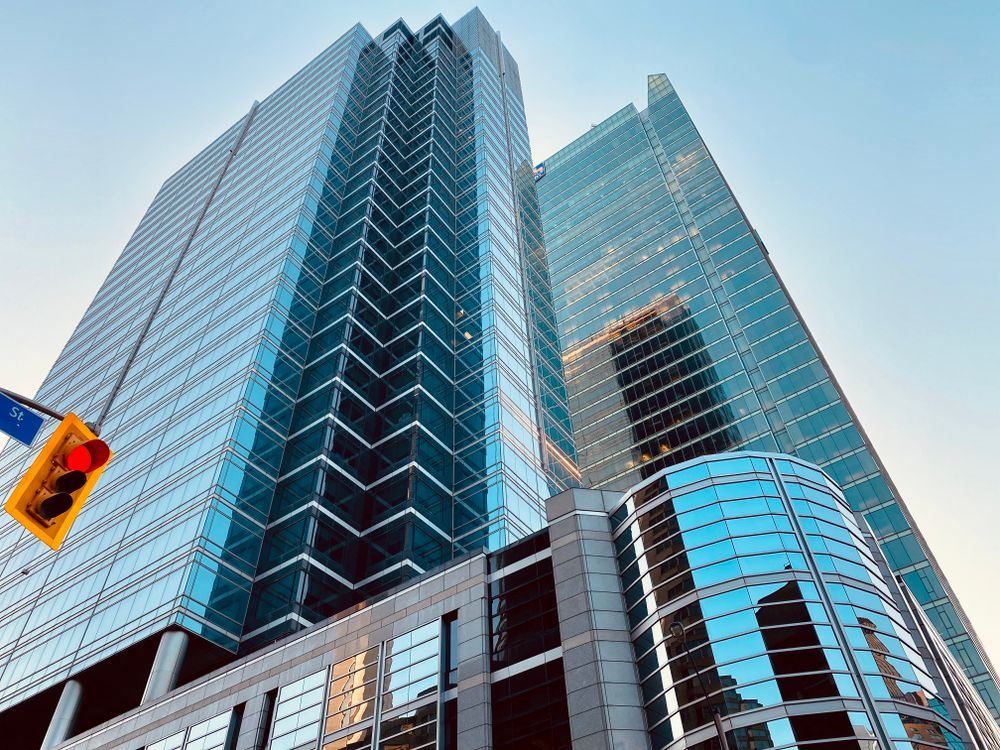
Cluj-Napoca offers a wide range of ways to spend free time outside of work, from historic squares and towers to parks and gardens. The following ten spots are a good starting point for getting to know the city.
1. Unirii Square
Located in the center of town, Unirii Square is surrounded by restaurants, cafes, and bars. Its centerpiece is Saint Michael's Church, a gothic landmark and one of the city's main symbols. During the Zilele Clujului festival, the square hosts a main stage featuring some of Romania's most celebrated performers.
2. Muzeului Square
This pedestrianized square is a popular spot to grab a drink or a bite to eat, with outdoor terraces during the summer months. Nearby sites include the Franciscan Church, the Carolina Obelisk, and the Matthias Corvinus House, a Gothic-style building more than 500 years old that has served as a jail and a hospital over its history and today houses a visual arts institute.
3. Central Park
Central Park is a large green space with a long main alley lined by mature trees, along with miniature wooden bridges and a lake where visitors can watch ducks and swans or try a water bike ride. The park also hosts art exhibitions at the Casino, and a free bike-share card from ClujBike makes it easy to explore without owning a bicycle.
4. The Botanical Garden
The Botanical Garden features displays of tulips, roses, herbs, and rock gardens across a network of paths. It includes several themed sections, among them the Japanese Garden, the Mediterranean Garden, the Rosarium, the Australian Greenhouse, and the Roman Garden, each with its own architecture and plant species.
5. The Village Museum
The National Ethnographic Park "Romulus Vuia," known as the village museum, offers a change of pace from city life. Its oldest pieces date back to 1678, including a wooden church from Cizer-Salaj. The site includes 34 technical peasant installations, 5 workshops, 3 wooden churches, and a cemetery gate, making it one of the more significant collections of architectural heritage in the region. The nearby Hoia Forest, known locally for its legends, is also worth a walk.
6. Mirror Street
Mirror Street takes its name from two symmetrical buildings at its western end that nearly reflect each other, an architectural ensemble completed in 1899 and inspired by the work of Hausmann, the architect known for restructuring 19th-century Paris.
7. Potaissa Street
Set in the medieval center of the city, Potaissa Street includes one of the remaining sections of Cluj's old defensive walls. It hosts recurring events such as flower markets, wine festivals, and medieval reenactments, including period clothing, fire shows, and archery contests.
8. The Firefighters' Tower
Built in 1574 as part of the city's second fortification, this tower was originally known as the Tower of the Locksmiths and later the Tower of the Soapmakers. It remains one of the few surviving medieval defense towers in the city, and visitors can climb to a height of 28.5 meters for panoramic views.
9. Tailor's Tower
This 15th-century circular defensive structure, built of stone and brick, has four levels including a rooftop terrace with panoramic views. It also houses the Tailors' Tower Museum, which covers the city's fortification system and the role of the Tailors' Guild in its medieval history.
10. Cetatuia Hill
Cetatuia Hill offers sweeping views of the city and connects to another section of the old citadel walls. It is best visited at sunset, when the view over Cluj-Napoca is at its most striking.
Why this matters
Cluj-Napoca combines a compact historic center with parks, gardens, and medieval landmarks, giving newly relocated employees a wide range of options for exploring the city during evenings and weekends as they settle in.
Sources: Nestlers Group
Talk to Nestlers Group
Planning to hire foreign workers in Romania?
We'll map the right work-authorization route, document checklist and realistic timeline for your hires — typically within 24 hours.
Talk to an advisorContinue reading
10 Things to Visit in Bucharest
Bucharest blends a historic Old Town with landmarks such as the Palace of the Parliament, several major museums, and expansive parks worth exploring.
10 Things to See in Oradea After Work
Oradea offers newly relocated employees a mix of architectural landmarks, riverside walks, and cultural sites worth exploring after the workday.
Transnational Secondment to Romania: Relocation Essentials
Relocating to Romania for a transnational secondment involves practical considerations that range from housing and healthcare to cultural integration.