
Transnational Secondment to Romania: Relocation Essentials
Relocating to Romania for a transnational secondment involves practical considerations that range from housing and healthcare to cultural integration.
Nestlers Group Editorial Team
Global Mobility Advisory Team
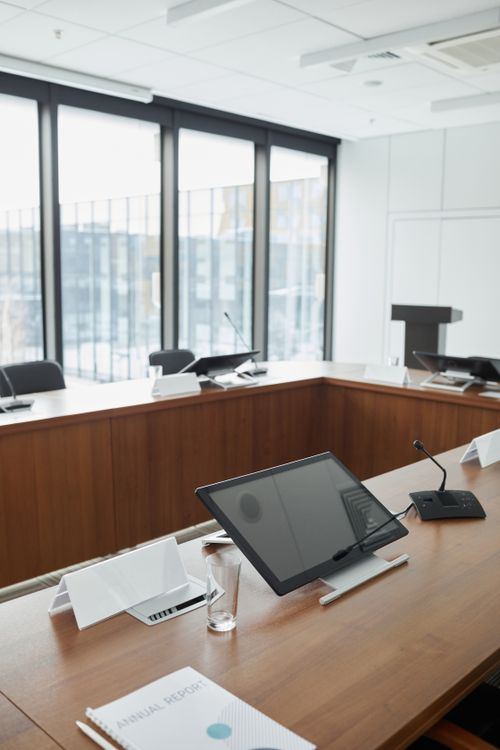
Relocating to a new country for a transnational secondment brings its own set of practical considerations. Understanding factors such as housing, healthcare, education, cultural integration, and language is important for a smooth transition, and preparing for these aspects in advance can make a real difference in how well an employee settles into their new environment in Romania.
Housing
Finding appropriate accommodation for the duration of a secondment should be a priority. Employers need to weigh an employee's preferences against the company's budget when searching for a place to live, whether that means renting an apartment, a house, or a serviced apartment. Popular cities such as Bucharest, Cluj-Napoca, and Timisoara offer a wide range of housing options, and local real estate agents can help simplify the search.
Healthcare
Seconded employees should have comprehensive health insurance covering medical expenses and emergencies, and should become familiar with Romania's public and private healthcare systems to ensure access to nearby medical facilities. Registering with a local general practitioner and obtaining an EHIC or private insurance provides peace of mind and allows the employee to focus on their work without concerns about healthcare access.
Education
Employees relocating with family should prioritize their children's education early in the process. Romania offers a range of educational institutions, including international schools, bilingual schools, and public and private schools. Choosing the right school involves researching curriculum, language of instruction, extracurricular activities, and proximity to the family's residence.
Cultural integration
Taking an interest in Romanian traditions, cuisine, and language helps employees settle in and make the most of their time in the country. Engaging with locals, joining community events, and exploring cultural landmarks builds a stronger understanding of Romanian culture and can lead to lasting connections with locals and fellow expats.
Practical considerations
Relocating to Romania also involves a number of logistical steps, including setting up utilities such as electricity, water, and internet, and obtaining a local mobile phone number. Employees should familiarize themselves with local transportation options and understand local regulations, including residency registration and tax obligations, to avoid legal issues. Guidance from an employer or relocation specialist can help ensure compliance with these requirements.
Language learning
While many Romanians speak English, learning a few basic Romanian phrases can meaningfully improve day-to-day interactions. Language classes or learning apps can help employees become familiar with the local language, which facilitates communication and signals a genuine effort to integrate into Romanian culture.
Why this matters
Relocating to Romania for a transnational secondment is an opportunity for personal and professional growth, and planning ahead for these practical aspects goes a long way toward a smooth and successful transition for both the employee and their employer.
Sources: Nestlers Group
Talk to Nestlers Group
Planning to hire foreign workers in Romania?
We'll map the right work-authorization route, document checklist and realistic timeline for your hires — typically within 24 hours.
Talk to an advisorContinue reading
Transnational Secondment: Why You Need an A1 Form
Transnational secondment involves specific legal obligations around working conditions and the A1 form, which verifies social security contributions during a posting.
10 Things to Visit in Bucharest
Bucharest blends a historic Old Town with landmarks such as the Palace of the Parliament, several major museums, and expansive parks worth exploring.
10 Things to Do in Cluj-Napoca After Work
Cluj-Napoca offers newly relocated employees a wide range of squares, parks, medieval towers, and cultural sites worth exploring after the workday.