
Hiring Asian Talent in Romania: What Employers Need to Know (Visa, Labour Law, Housing)
Recruiting talent from Asia brings real advantages for Romanian employers, along with visa, labour law, and housing steps that need to be handled correctly.
Nestlers Group Editorial Team
Immigration Advisory Team
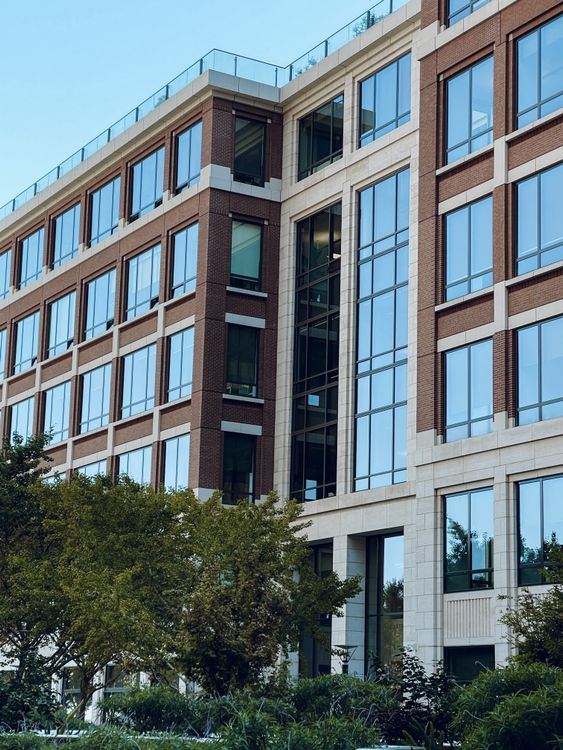
Recruiting talent from Asia can bring fresh perspectives, skills, and competitive advantage. For employers in Romania considering hiring from Asia, whether for tech, manufacturing, or services, there are legal, logistical, and cultural considerations worth understanding. Nestlers Group works regularly with companies to help them onboard international hires smoothly. Here is what employers should know about visas and permits, labour law, and housing in Romania.
Visa and work permit requirements
For non-EU nationals, including many Asian citizens, working legally in Romania requires compliance with both immigration and employment law.
What permits are required
- A work permit (autorizatie de munca) issued by the Romanian General Inspectorate for Immigration (IGI) is necessary for non-EU, EEA, and Swiss citizens who intend to work
- After the work permit, the foreign national usually applies for a long-stay visa for employment (type D/AM) at a Romanian consulate in their home country
- Once in Romania, they need to obtain a residence permit tied to their employment
Recent legal changes and limitations
- Romania has continued refining its rules for hiring foreign and seasonal workers, including stricter employer eligibility (companies must not be in insolvency or have serious labor law violations) to receive work permits for non-EU nationals
- There are quotas and caps on the number of non-EU work permits in certain sectors, so employers should check current limits
Labour law and employment contracts
Once the visa and permit side is settled, ensuring compliance with labour law in Romania is critical to avoid legal risk, ensure fair treatment, and maintain an employer brand that attracts good talent.
Contract requirements
- Employment contracts must be written, specifying job description, duration (fixed or indefinite), salary, hours, place of work, and benefits. For foreign nationals, a bilingual contract (Romanian plus another language) is common
- Contracts must adhere to minimum wage laws; employers cannot pay less than the legal minimum gross salary
Working hours, overtime and leave
- The standard working week is 40 hours, typically 8 hours a day, with overtime paid at higher rates per the law
- Employees have the right to annual leave (a minimum, often around 20 working days), holiday pay, and rest periods, with parental leave and medical leave also regulated
Employee rights and protections
- Non-discrimination, workplace safety, rights to health insurance, and social security contributions apply equally to foreign workers once legally employed
- Employers must fulfill their tax and social security contribution obligations, with non-EU workers typically included in the same contribution systems once their work permit and residency are sorted
Housing and relocation considerations
Hiring someone from abroad, especially from Asia, often involves helping them settle in, which means housing and relocation support become part of the package. Good support here can make a real difference in retention and satisfaction.
What to consider
- Proof of accommodation is often required as part of visa or residence permit applications, so the employee may need to show where they will live through a lease contract or ownership document
- Major cities like Bucharest, Cluj-Napoca, and Timisoara have higher housing costs and high demand; employers who assist with housing, temporary first and then more permanent, make transitions easier
- Many apartments require one to two months deposit, possibly guarantors, and sometimes payment in advance; furnished versus unfurnished, utility costs, and proximity to transport and amenities are all important
- For international hires, proximity to international schools or communities, language support, and neighborhood safety may influence housing choice
Employer support options
- Offering a relocation allowance or housing stipend
- Helping with short-term rentals while the employee looks for something more permanent
- Partnering with local real estate agencies familiar with expat needs
- Ensuring the employment package includes support for documents, translations, and sometimes schooling
Practical checklist for employers
To make hiring Asian talent, or any non-EU nationals, as seamless and compliant as possible, employers generally need to:
- Verify that the company meets legal eligibility to hire non-EU nationals
- Draft and advertise the job in accordance with job market test requirements
- Prepare and submit the work permit application to IGI with all required documentation
- Assist the employee with the visa application and documentation once the permit is issued
- Arrange proof of accommodation for the visa or residency application
- Sign the employment contract, in Romanian and bilingual if needed, clarifying salary, hours, and benefits
- Ensure social security and health insurance contributions are properly set up
- Provide cultural and relocation support, housing assistance, and orientation
Key challenges and tips for success
- Timing and bureaucratic delays: processes like obtaining the work permit, visa, and residence permit can take several weeks to months, so planning ahead is essential
- Translation and documentation: many documents must be translated into Romanian, apostilled or legalized, especially diplomas and criminal records
- Legal changes: Romania's labour law and immigration regulations evolve regularly, so staying up to date is essential
- Cost budgeting: beyond salary, employers should account for relocation costs, housing support, legal fees, and possibly language or cultural training
- Retention and integration: hiring is just step one, and ensuring foreign employees feel supported through housing, language, and orientation helps reduce turnover
Hiring Asian talent in Romania offers real benefits, from access to specialized skills to new perspectives and filling roles in sectors with local shortages. It also comes with legal obligations, logistical steps, and cultural considerations that are worth planning for from the start. Nestlers Group works with employers on work permits, housing and relocation, contract compliance, and employee integration.
Sources: Romanian General Inspectorate for Immigration, Nestlers Group
Talk to Nestlers Group
Planning to hire foreign workers in Romania?
We'll map the right work-authorization route, document checklist and realistic timeline for your hires — typically within 24 hours.
Talk to an advisorContinue reading
10 Things to Visit in Bucharest
Bucharest blends a historic Old Town with landmarks such as the Palace of the Parliament, several major museums, and expansive parks worth exploring.

10 Things to Do in Cluj-Napoca After Work
Cluj-Napoca offers newly relocated employees a wide range of squares, parks, medieval towers, and cultural sites worth exploring after the workday.
10 Things to See in Oradea After Work
Oradea offers newly relocated employees a mix of architectural landmarks, riverside walks, and cultural sites worth exploring after the workday.